Procrastination is the enemy of every student. It’s that nagging voice that says, "You can do it later." But later eventually becomes "now," and suddenly you are overwhelmed. The root of procrastination is often not laziness, but anxiety and a lack of clarity. When you don't know exactly when you will do a task, it's easy to push it aside. Creating a realistic plan is the antidote to this common problem.
The Psychology of Delay
We often delay tasks because they seem too big or undefined. "Write Term Paper" is a daunting task. However, if you break it down into "Research," "Outline," and "Drafting," it becomes manageable. But breaking it down isn't enough; you need to assign these smaller tasks to specific time slots in your day. This technique is known as time-blocking.
Time-Blocking Explained
Time-blocking involves dividing your day into blocks of time, each dedicated to a specific activity. Instead of an open-ended "study" session, you block out 2 PM to 4 PM for "History Reading." This creates a specific appointment with yourself. It is much harder to blow off a specific appointment than a vague intention. This method forces you to be realistic about how long things take.
Utilizing a Schedule Builder
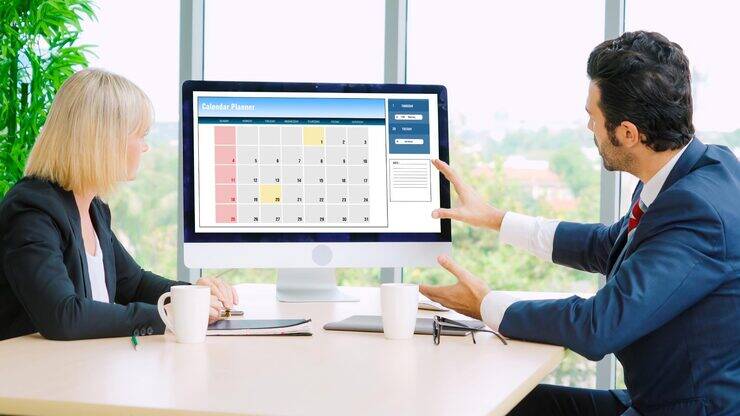
Implementing time-blocking is difficult on a simple calendar. You need a tool designed for the job. A dedicated Schedule Builder allows you to visualize these blocks easily. You can see the white space between your classes and drag study blocks into those gaps. This turns your abstract "free time" into concrete "production time."
The Importance of Breaks
A realistic plan includes breaks. No one can study for eight hours straight effectively. When building your schedule, ensure you include time for lunch, exercise, and short mental breaks. A schedule that is too packed is destined to fail. By planning your breaks, you can enjoy them guilt-free, knowing they are part of the process that leads to your success.
Overcoming the Planning Fallacy
Humans are terrible at estimating time. We almost always underestimate how long a task will take. This is called the planning fallacy. When using a schedule builder, you can see if your plan is physically possible. If you have 10 hours of homework but only 4 hours of empty space in your day, you have a problem. Seeing this visual conflict forces you to reprioritize or start earlier.
Turning Due Dates into Do Dates
The ultimate goal of realistic planning is to stop focusing on when things are due and start focusing on when you will do them. A deadline is the last possible moment to submit work, not the moment to start it. By scheduling your "do dates" well in advance, you create a buffer that protects you from unexpected emergencies, like getting sick or a computer crash.
Conclusion
Procrastination can be beaten with the right strategy. It requires shifting from a mindset of "I have time" to "I have a plan." By visualizing your available hours and blocking them out for specific tasks, you regain control. College Students who master this skill find that they not only get better grades but also enjoy more guilt-free leisure time.
Reactie plaatsen
Reacties